HI Students:
Following is an Occupational Therapist’s celebration story about how she learned to enjoy her athletic adventures again without pain. Enjoy reading!
~Donna
————————————————————————————
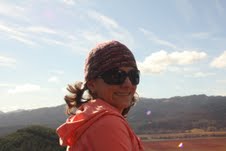 “I saw Donna for a total of 10 individual sessions and complimented with a couple of weekend Awareness Through Movement classes. Overall, it was truly amazing. Within 2 sessions, my lower back was basically completely better and has stayed that way for about 2 months now. We moved on to work on my shoulders and feet a lot which is where more of the trouble seemed to be. It all seemed totally counter intuitive and in opposition to most of what I have learned throughout my life playing sports and using my body, but at the same time makes so much sense to me intellectually and, obviously, physically as well. I tended to think about tensing and using the “right” muscles in the “right” way all the time.
Donna had me focus more on using my muscles only when I needed them trusting that I have the neurological intelligence to move correctly when I am not in pain; then relying on the skeleton to do the work of support and give my muscles reprieve when they are not truly needed.
I would walk away from the sessions feeling somewhat dazed, and very “loosy-goosy” in my body–at first that was scary because I had been doing so much holding and tensing to feel secure. After a few sessions it just felt good, such a relief. Abandoning my patterns, such as holding my abs in tightly and my shoulders back firmly, was something of an emotional process.That was something else great about Donna, she demanded candidness with her questions and calm nature. The work was letting go of not only the physical but the emotional and intellectual as well. I gained physical as well as mental flexibility in the process! I am not sure if that is unique to the practitioner that she is, or part of the Feldenkrais package. I suspect a bit of both?”
“Donna recommended that I take a break from my normal exercise routine 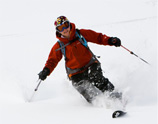 so that my body would have a chance to integrate the new learning without old patterns taking over. That was a bit of a bummer to feel like I was getting out of shape for almost 6 weeks, but I was pain free and comfortable for the first time in months! I was certainly nervous to reintroduce activities. Not to worry!”
“We arrived in Idaho for the start of our trip a week and a half ago; and since we have been home I’ve been tele and cross-country skiing, hiking, to many yoga classes, this gravity training workout class my sister does and even a Kettle-bell class. I am sore, but in my muscles (some that I haven’t been able to feel for years–like my hamstrings!!) and no pain or aching in my back. I am kind of blown away, but SO grateful I figured it out before our big trip! There is always more to learn and necessary maintenance, of course, but I feel SO much better, it’s awesome!”
“I asked Donna lots of questions and liked to discuss what was going on during the sessions. She was very tolerant of that, and what knowledge I gained, makes so much sense to me and has changed the way I think about my body in each of the activities that I do!”
Rene Thomas Smey,
Occupational Therapist
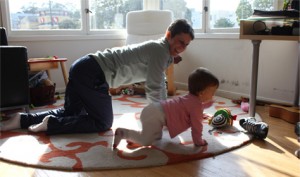
 end of one of the sessions she shared with me the following story.
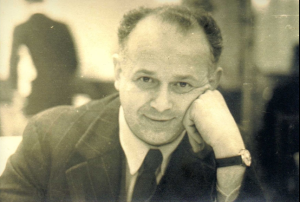 stand differently, but they have given up because they think it’s too late now, that the growth process has been completed, that they can’t learn something new, that they don’t have the time or the ability. You don’t have to go back to being a baby in order to function properly. You can, at any time of your life, rewire yourself, provided I can convince you that there is nothing permanent or compulsive in your system, except what you believe to be so.”
 to the heart of the matter. I think I always knew that what I needed was someone to force me to be patient and listen to my body to help me find different options for movement and stability. One day I eavesdropped on one of Donna’s Feldenkrais classes and found exactly the kind of disciplined self-kindness and self-awareness discovery I was looking for. After I took my first class, Donna could tell immediately that I had a major movement problem and advised me to schedule a private session with her. When something is not clicking for you in your movements, when you know you’re not using the right muscles or the right bones, Feldenkrais helps you find it. It helps you find the way you used to move freely as a baby and helps translate what your body is trying to tell you. What surprised me the most is that Feldenkrais makes you face yourself with a lot of courage so you can learn how much
 your emotions and self-image play a role in how you move. My favorite part is how much I’m learning about how our bones are designed to counter-rotate and balance the body, helping me find different options for movement. There is no hiding in Feldenkrais. The tiniest movement of a rib or your jaw or the slightest shift of breath can make all the difference between making progress and having a major insight into your whole self.
 parts work in conjunction with each other. Mostly, though, because I discovered all this knowledge about my body and myself with such subtle and patient technique it makes me want to apply subtlety and patience to the rest of my life, too. It’s become so obvious to me that when you stop and take the time to really pay attention you can find the most efficient, healthy, and rewarding solution to probably everything.”