Dear Students:
Over the last several months as I have been taking actions to keep my home and work space free from the harmful effects of smart meters I have been knocked down more than a few times. Every time I struggle to 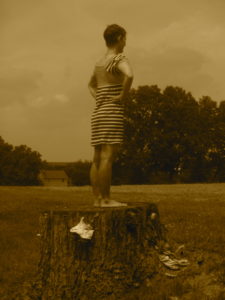 get back on my feet, I notice remarkable changes in myself, afterwards.
I now have novel moments of carrying my head in it’s central axis, which has been a long search for me. The experience of living with my head in a balanced position has enabled me to recognize when I unnecessarily hold it off center. This awareness allows me to instantly stop the unwanted holding. As a result, my posture has improved immeasurably and I have become empowered beyond my wildest dreams. The movement pattern that goes with my new behavior of standing up for my rights (to a corporation & a commission) is exactly what I need to“keep my head on straight”!
I feel like this baffling experience is a lesson on Dr. Feldenkrais’s definition of health: “Health is measured, not by the capacity to stay standing, but by the ability to be knocked down and then return to standing.” ~Dr. Moshe Feldenkrais
I am beholden to the Feldenkrias Method for making it possible to take my stance due to over two decades worth of lessons under my belt. When this chapter in my life plays itself out, I believe I will prevail and will help others in ways I never could have before.
~Donna
F.Y.I: If you already have a smart meter on your home, you can protect your family, neighbors, animals and plants from it’s emissions by shielding it. This will not solve all the problems that smart meters cause but it will help considerably. You can purchase a smart guard; or you can learn to make one on your own from many youtube videos.
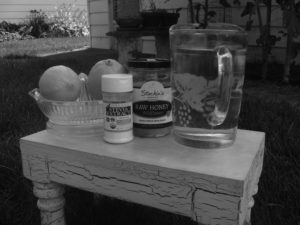 Following is an example of how to form a favorable habit.
 Due to technical difficulties FeldenkraisBlog is entering a partnership with .net and is parting ways with .com. Please let all your friends know and if you have any trouble with my website please
 potent messages!
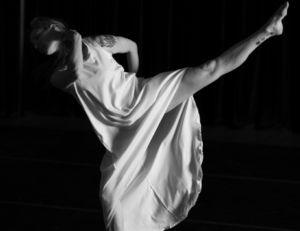 This is my second season dancing with Netco and I am challenged every time I dance with them.
 out in pain!
 a problem when a person says “yes”, to avoid the anxiety caused by the mere thought of saying “no”.
  time you may fumble, but as you practice you will become more graceful. Over time your relationships will flourish!
 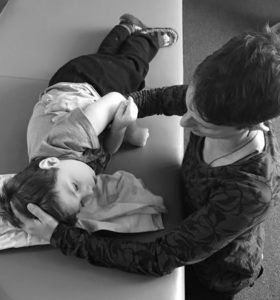 sicknesses.
 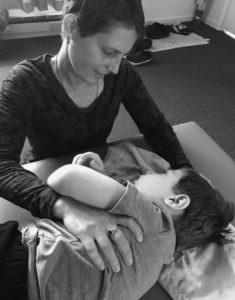 has not be able to bend his hips.
 is also more alert to his surroundings, including the people and animals around him. He is just so much more present.”
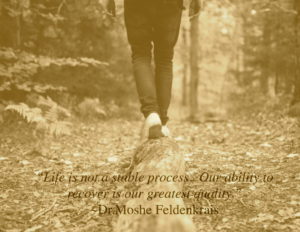 walker due to modern society. Walking in the material world doesn’t require a person to think, sense, feel & move in the same way that nature’s world requires. Modern man’s environment hinders his growth while mother nature’s environment nurtures it.
 Often, people don’t remember “not feeling pain” because for many it is their first perception of body awareness. Your brain will send you a pain signal to make you become conscious of your injured body part. Pain is a warning sign telling you to move differently to protect your spinal cord.
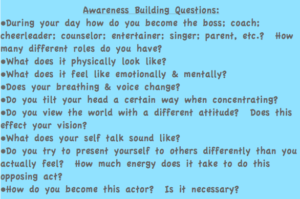 After talking him through these events he came to realize that the night before his departure he started dreading his return to work. When I asked John how he physically embodied “dread”, he couldn’t answer my question. This combined with his belief that he had no control over his situation made him feel hopeless. When I let him know that a great learning opportunity lay before him, his spirits lifted.
 beyond your wildest dreams.